
Tokyo has become a strong choice for scholars who want a wider professional reach. Its modern venues, easy travel access, and rich culture make it a natural setting for a Tokyo academic conference. Sharing research in this city connects participants with peers from many regions and adds weight to their academic work.
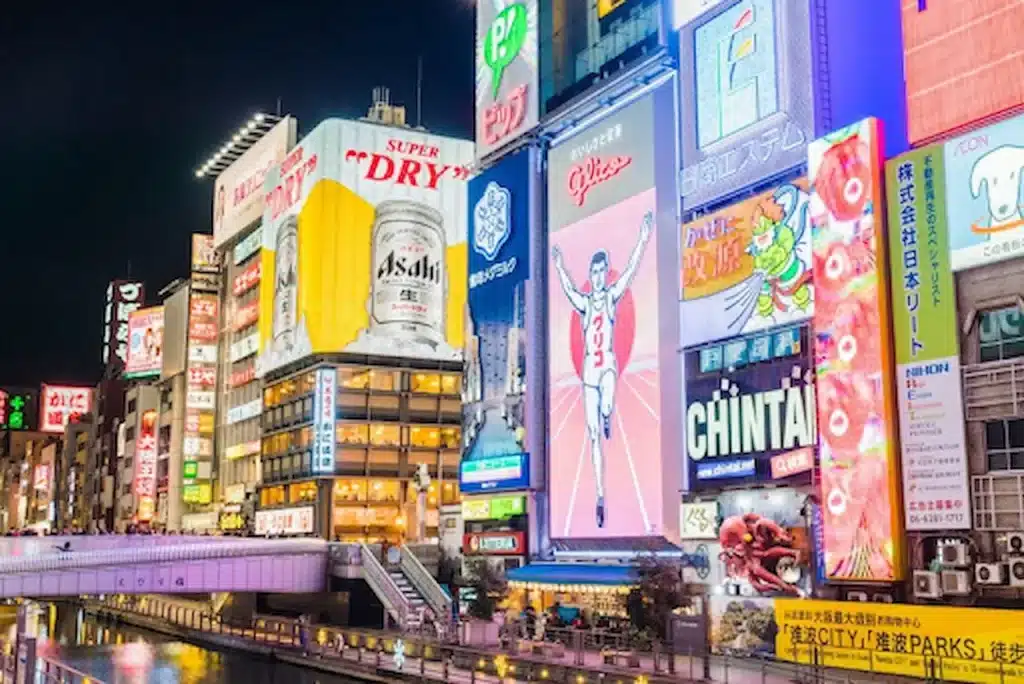
Tokyo connects Asia with the rest of the world. Travelers from Europe, North America, and other regions reach the city easily by air and rail. Well-equipped lecture halls and event spaces support clear presentations and steady schedules, which is why many researchers choose an academic conference in Tokyo. Universities such as the University of Tokyo and Waseda University host many events. Their academic setting supports open exchange and professional cooperation.
Presenting research in Tokyo places new work in front of a wide audience. A Tokyo academic conference attracts scholars, policy figures, and professionals from different countries. This setting allows researchers to explain ideas, receive feedback, and test arguments in an international setting. For aging and gerontology researchers, this kind of event helps place local studies into a broader global context.
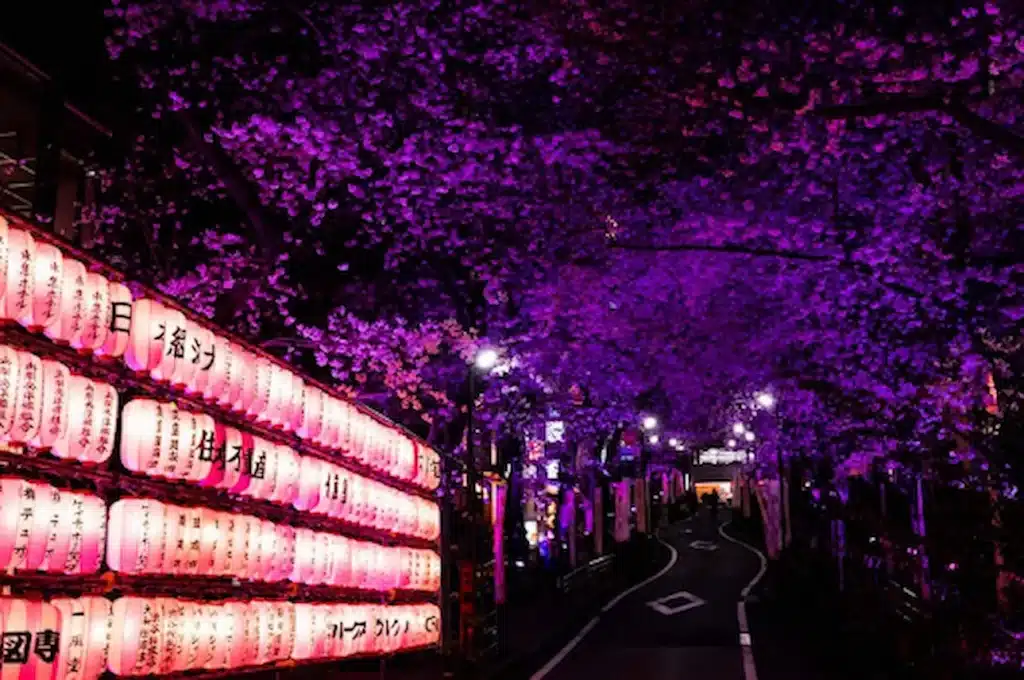
Meeting other researchers is a key reason people attend events in Tokyo. Panels, workshops, and small group sessions make it easier to connect with peers and senior figures. At an international conference in Japan, these meetings often lead to shared projects, joint papers, and long-term academic ties. Cultural activities outside the venue also support stronger professional relationships.
Conference venues in Tokyo support clear communication. High-speed internet, presentation tools, and streaming options help researchers reach both in-person and remote audiences. These features play an important role at the Tokyo academic conference 2026, where access and participation matter. Live questions and digital materials also make it easier to exchange ideas with researchers from other regions.
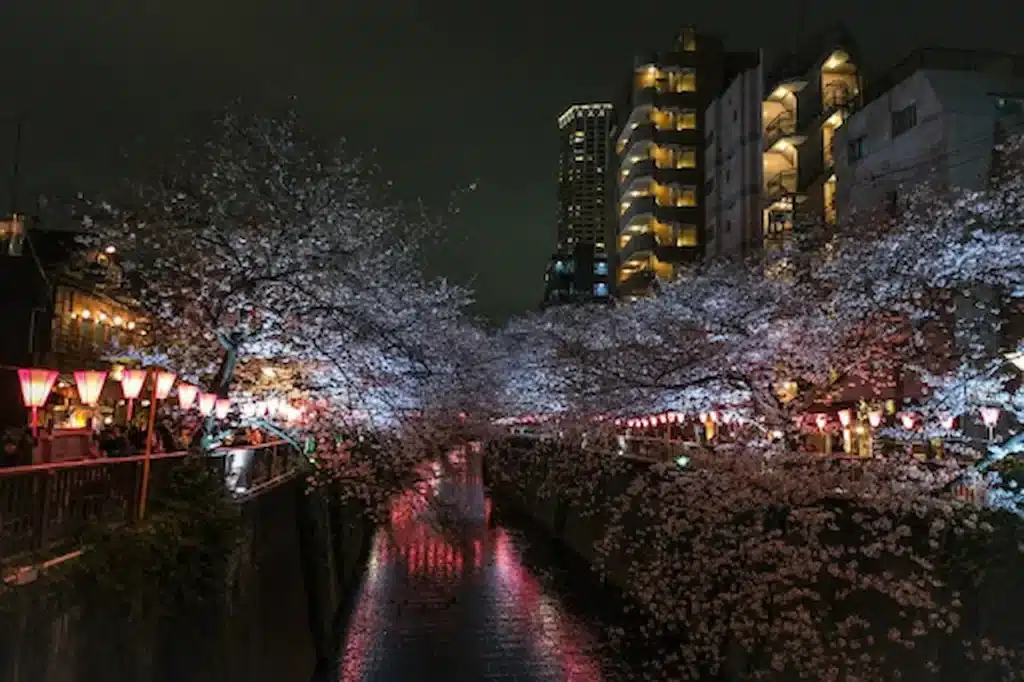
Presenting research in Tokyo supports academic recognition. Work shared at a Tokyo academic conference appears alongside current studies from many fields. This exposure often leads to publication interest, research partnerships, and invitations to future events. Over time, these outcomes support steady career progress.
Tokyo offers more than professional benefits. Participants at an academic conference in Tokyo can explore temples, museums, and modern districts after sessions. These experiences often spark new ideas and fresh ways of thinking. Food, architecture, and local art add depth to the overall conference experience.

Tokyo attracts researchers, health professionals, and policy-makers working in aging studies. Events held here support open talks on care systems, policy planning, and demographic change. An international conference in Japan brings together different regional views, which strengthens research outcomes. A diverse audience also helps research findings reach wider groups.
Researchers looking to move forward in their careers often benefit from attending events in Tokyo. The Tokyo academic conference 2026 combines research talks, focused sessions, and networking opportunities. These elements help participants build strong professional links. Presenting or attending may also lead to journal submissions, research group invitations, and exposure to new methods.

Attending a conference in Tokyo supports professional learning, cooperation, and recognition. Strong venues, solid technical support, and easy international access make the city a practical choice. Taking part in a Tokyo academic conference allows scholars to share work with a global audience, build meaningful connections, and experience a city that values both tradition and research. Together, these factors support long-term academic progress.